Introduction to Childhood Vaccinations
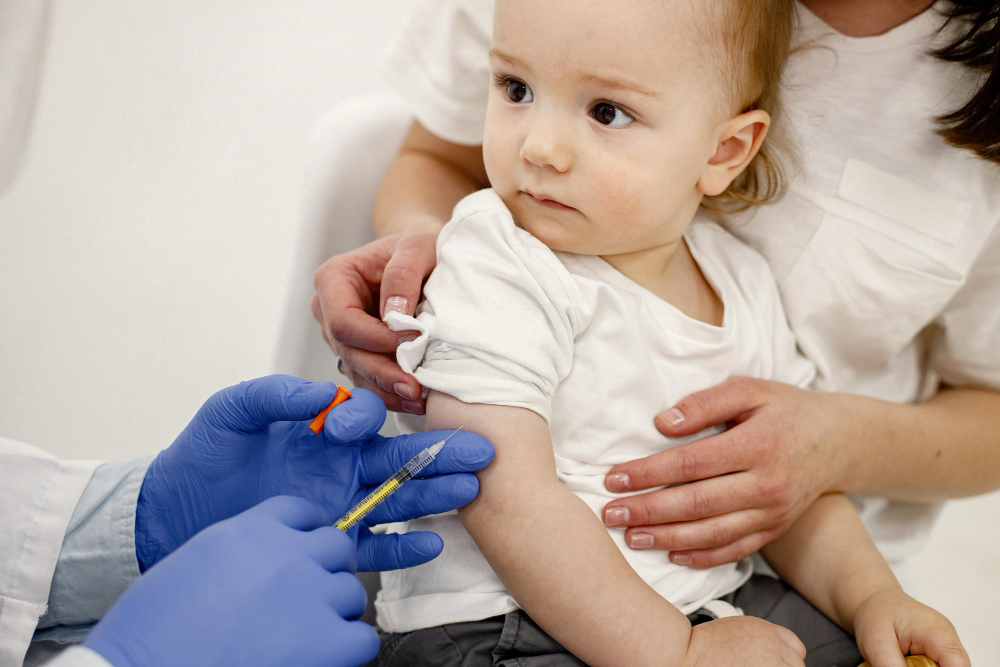
Vaccinations in children are a key part of keeping kids healthy. They help protect against many serious diseases. In fact, vaccines have saved millions of lives worldwide. Today, parents often ask about the childhood vaccination schedule and wonder, “Are vaccines safe for kids?” This blog will answer these questions and more.
Importance and Benefits of Vaccinating Children
Vaccines help a child’s body fight off harmful germs. When a child gets a vaccine, their immune system learns to protect against certain diseases. As a result, vaccinated children are less likely to get sick from these illnesses. Additionally, vaccines help protect others in the community. This is called herd immunity. Because of vaccines, many diseases are now rare or gone in some areas.
According to the World Health Organization (WHO), vaccines save up to 5 million lives each year.
Recommended Vaccination Schedule for Children
Following the recommended childhood vaccination schedule is important. The Centers for Disease Control and Prevention (CDC) and your pediatrician can guide you. Usually, children get vaccines at certain ages, starting from birth. For example, some shots are given at 2 months, 4 months, 6 months, and so on. Sticking to the schedule helps keep your child protected at the right time.
However, your doctor may adjust the schedule if needed. Always check with your healthcare provider for updates.
Common Vaccines and What They Protect Against
Many vaccines are part of the pediatric immunization plan. Each one protects against different diseases. For example, the MMR vaccine guards against measles, mumps, and rubella. The DTaP shot protects against diphtheria, tetanus, and whooping cough. Here are some common vaccines and what they do:
Safety, Side Effects, and Myths About Vaccines
Many parents ask, “Are vaccines safe for kids?” The answer is yes. Vaccines go through strict testing before approval. Health experts, including the CDC and WHO, monitor vaccine safety all the time. Most side effects are mild, such as a sore arm or mild fever. Serious reactions are very rare.
However, some myths about vaccines still exist. For example, some people think vaccines cause autism. But many studies show there is no link. Vaccines do not overload the immune system, either. In fact, children’s bodies can handle many vaccines at once.
Tips for Parents on Preparing Children for Vaccinations
Getting shots can make children nervous. But there are ways to help. First, talk to your child about what to expect. Next, bring a favorite toy or book for comfort. You can also distract your child during the shot. Afterward, praise your child for being brave. If needed, use a cool cloth on the shot area to ease soreness.
Prevention of Vaccine-Preventable Diseases
Vaccines help stop the spread of many dangerous diseases. For example, measles and polio were once common. Now, thanks to vaccines, these diseases are rare in many places. However, if children are not vaccinated, these illnesses can return. By keeping up with the childhood vaccination schedule, you protect your child and others.
Frequently Asked Questions (FAQs)
Conclusion
In summary, vaccinations in children are safe, important, and protect against many diseases. Following the childhood vaccination schedule keeps your child healthy. If you have questions, always ask your pediatrician. Consult your pediatrician for personalized vaccination advice.