What is Down Syndrome?
Down Syndrome is a genetic condition. It happens when a baby is born with an extra copy of chromosome 21. Because of this, children with Down Syndrome may have learning delays and some health problems. However, every child is unique. Some may have mild symptoms, while others need more support. Early help can make a big difference in their growth and happiness.
Why is Newborn Screening Important?
Newborn screening for Down Syndrome helps find the condition soon after birth. Early diagnosis of Down Syndrome allows parents and doctors to plan the best care. As a result, babies can get the right support from the start. Early help can improve learning, health, and social skills. In addition, knowing early gives families time to learn and prepare.
How is Down Syndrome Detected in Newborns?
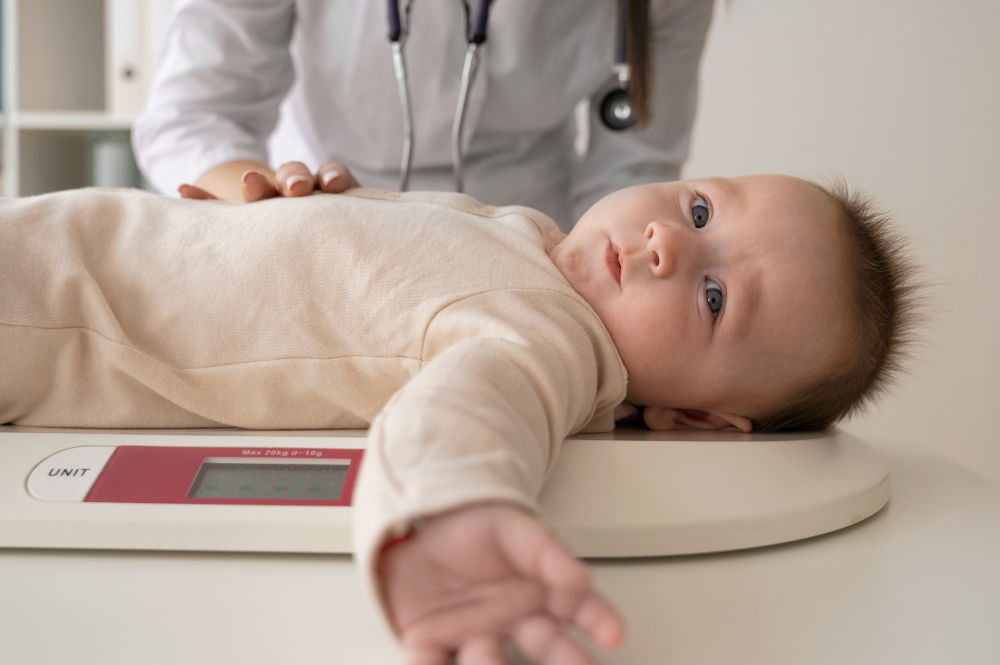
Doctors use several ways to check for Down Syndrome in newborns. Usually, screening starts with a physical exam. Sometimes, signs of Down Syndrome in babies are easy to see. However, not all signs are clear at birth. Therefore, doctors may suggest special tests to confirm the diagnosis.
Because early testing is safe and quick, most hospitals offer it soon after birth. The Down Syndrome screening process is simple and does not hurt your baby.
What Happens After a Positive Screening?
If the screening suggests Down Syndrome, doctors will explain the results. Next, they may order more tests to confirm. After a positive result, parents meet with a genetic counselor or pediatrician. They will talk about what the diagnosis means and what steps to take next. Early support services can start right away. These may include therapy, medical checks, and family support groups.
Support and Resources for Parents
Learning your baby has Down Syndrome can feel overwhelming. However, many resources are available to help families. Support groups, medical teams, and community programs offer guidance. Here are some helpful resources:
Because every family is different, it helps to reach out and ask questions. Many parents find comfort in talking to others who have similar experiences.
Prevention and Future Outlook
Currently, there is no way to prevent Down Syndrome. It is a genetic condition that happens by chance. However, early screening and care can help children reach their full potential. Medical research continues to look for new ways to support children with Down Syndrome. As a result, many children grow up healthy and active. With love, care, and the right support, children with Down Syndrome can thrive.
For more information or if you have concerns, consult a pediatrician or genetic counselor for personalized advice on newborn screening for Down Syndrome.