
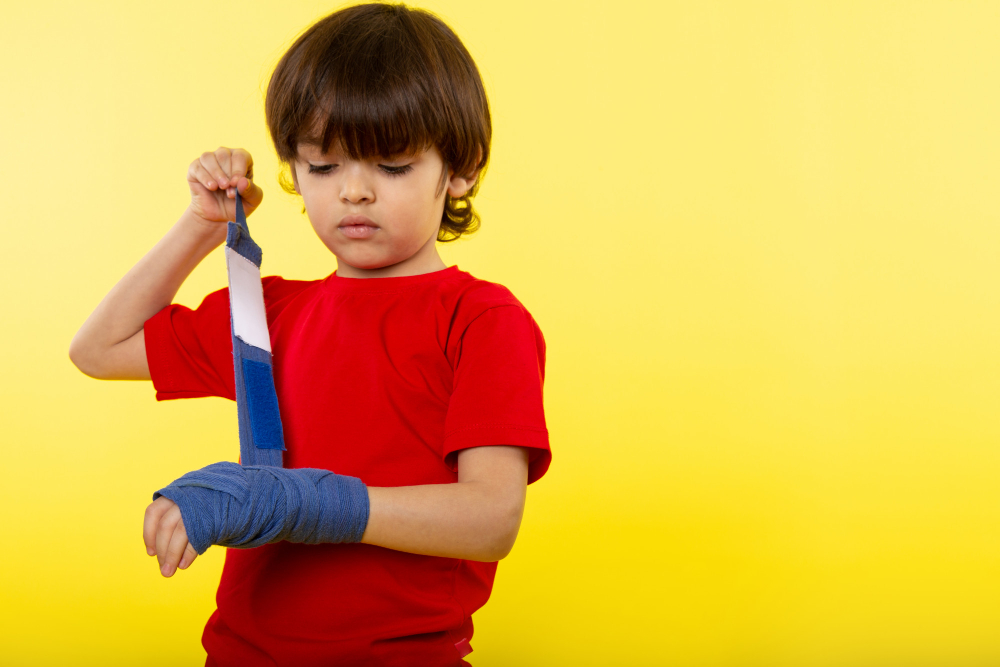
What Are Pediatric Fractures?
Pediatric fractures are broken bones that happen in children. Because children’s bones are still growing, they are softer and more flexible than adult bones. As a result, fractures in kids may look different from those in adults. For example, children’s bones can bend or crack instead of breaking completely. This is why pediatric bone fractures often heal faster. However, they still need proper care to avoid problems later. According to the CDC, broken bones in children are common, especially during play or sports.
Common Causes of Pediatric Fractures
Children are active and curious, so accidents can happen. Many pediatric fractures are caused by:
In some cases, weak bones from medical conditions can also lead to fractures. But most broken bones in children are due to everyday activities.
Symptoms to Watch For
It is important to know the signs of a fracture. While some symptoms are easy to spot, others may be less obvious. Look for these child fracture symptoms:
Sometimes, a child may not be able to explain their pain. Therefore, watch for changes in how they walk, play, or use their arms.
How Pediatric Fractures Are Diagnosed
If you think your child has a fracture, seek medical help. Doctors use several steps to diagnose pediatric fractures:
Early diagnosis helps prevent further injury. In addition, it ensures the right fracture treatment for kids.
Treatment Options for Pediatric Fractures
Treatment depends on the type and location of the fracture. Most pediatric bone fractures heal well with simple care. Common treatment options include:
Most children recover quickly. However, follow your doctor’s advice for the best results.
Tips for Prevention
While not all fractures can be avoided, parents can help reduce the risk. Here are some tips for prevention:
Additionally, regular check-ups can help spot any bone health issues early.
When to See a Doctor
Sometimes, it is hard to tell if a bone is broken. However, you should see a doctor if your child:
If you are unsure, it is always safer to get a medical opinion. You can also find a pediatric orthopedic specialist near you for expert care.
If you suspect your child has a fracture, consult a pediatric specialist for personalized care.