
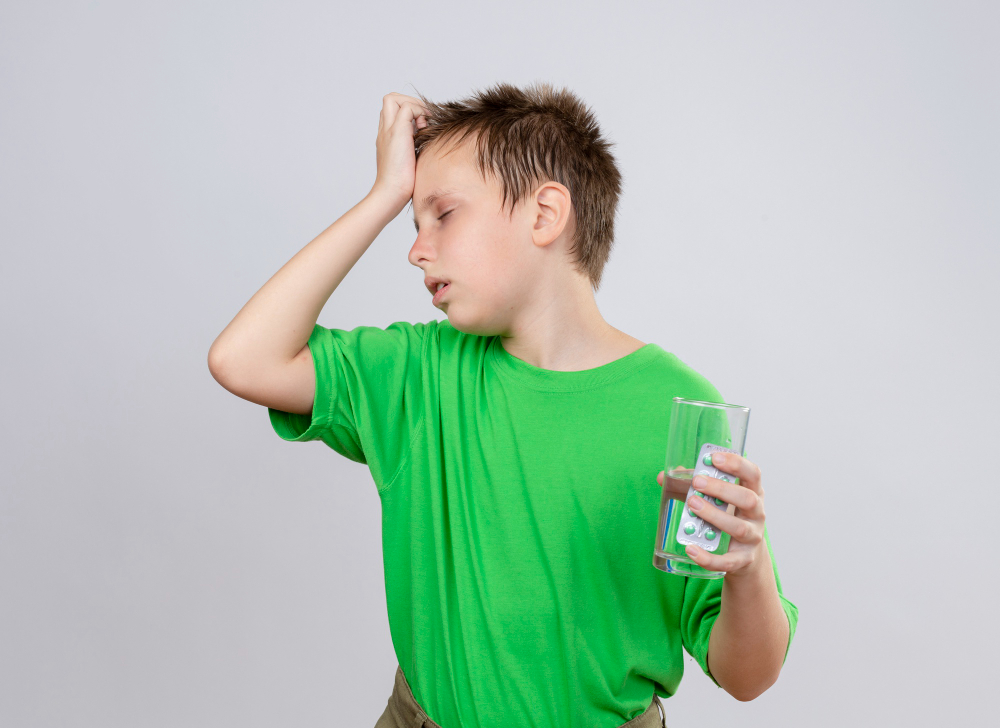
Dehydration in kids is a common concern for parents. It happens when a child loses more fluids than they take in. Because children are more sensitive to fluid loss, dehydration can happen quickly. Therefore, knowing how to prevent dehydration in kids is very important. In this blog, you will learn what dehydration is, its causes, symptoms, and the best preventive tips. By following these simple steps, you can help keep your child healthy and safe.
What is Dehydration in Kids?
Dehydration means the body does not have enough water to work well. Kids are at higher risk than adults. For example, their bodies have more water, and they lose fluids faster. Also, children may not always tell you when they feel thirsty. Because of this, parents need to watch for signs of dehydration in children.
Common Causes of Dehydration in Children
Many things can cause dehydration in kids. Some causes are more common than others. Below are the main reasons children may become dehydrated:
Symptoms of Dehydration in Kids
It is important to spot dehydration early. Watch for these signs in your child:
Effective Preventive Tips
Thankfully, preventing dehydration in kids is possible. Here are some easy, evidence-based tips to help:
When to Seek Medical Help
Sometimes, dehydration can become serious. You should contact a pediatrician if your child:
Early treatment can prevent complications. Therefore, do not wait if you see these warning signs.
Conclusion
In summary, dehydration in kids is a serious but preventable problem. By knowing the causes, watching for symptoms, and following simple preventive tips, you can protect your child. Always encourage healthy hydration habits and stay alert for warning signs.
Consult a pediatrician for personalized advice on preventing dehydration in your child.
Sources: Centers for Disease Control and Prevention (CDC), World Health Organization (WHO), American Academy of Pediatrics.