
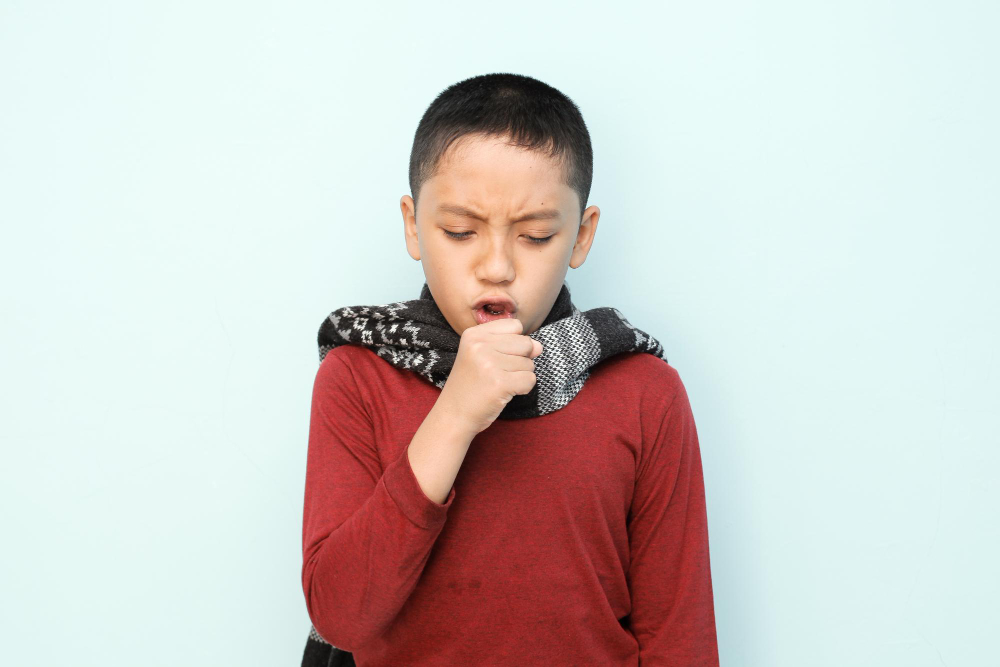
What is Bronchitis in Children?
Bronchitis in children is a common illness. It happens when the airways in the lungs, called bronchi, become swollen. This swelling makes it hard for your child to breathe easily. Often, bronchitis in children starts after a cold or flu. In the United States, many children get bronchitis each year, especially during the winter months. Because it can look like other illnesses, it is important for parents to know the signs and how to help their child.
Common Symptoms
Children with bronchitis often show several signs. However, symptoms can vary from child to child. Watch for these common symptoms of childhood bronchitis:
Sometimes, symptoms can last for a few weeks. If your child’s cough does not improve, you should talk to a doctor.
Causes and Risk Factors
Most cases of bronchitis in children are caused by viruses. These are the same viruses that cause colds and the flu. Less often, bacteria can cause bronchitis. There are also some risk factors that make children more likely to get bronchitis:
Because young children have smaller airways, they are more likely to develop symptoms quickly.
Diagnosis
Doctors diagnose bronchitis in children by asking about symptoms and doing a physical exam. Usually, the doctor will listen to your child’s chest with a stethoscope. Sometimes, they may order a chest X-ray or other tests to rule out pneumonia or asthma. In most cases, lab tests are not needed. However, if your child has a high fever or symptoms that last a long time, the doctor may do extra tests.
Treatment Options
Most children with bronchitis get better on their own. Because viruses cause most cases, antibiotics are usually not needed. Instead, treatment focuses on easing symptoms. Pediatric bronchitis treatment may include:
Sometimes, if your child has asthma or wheezing, the doctor may prescribe an inhaler. Always follow your doctor’s instructions for any medicine.
Home Care and Lifestyle Tips
There are simple steps you can take at home to help your child feel better. For example, you can:
Additionally, remind your child to wash their hands often. This can help prevent the spread of germs.
Prevention Strategies
Preventing bronchitis in kids is possible with a few simple steps. Here are some helpful prevention tips:
Because viruses spread easily, these steps can lower your child’s risk of getting bronchitis.
When to See a Doctor
Sometimes, bronchitis in children can become serious. You should call your doctor if your child:
Early care can help prevent complications. If you are unsure, it is always best to ask your pediatrician.
In summary, bronchitis in children is common but often mild. With proper care, most children recover quickly. However, if your child shows symptoms of bronchitis, consult a pediatrician for personalized advice.